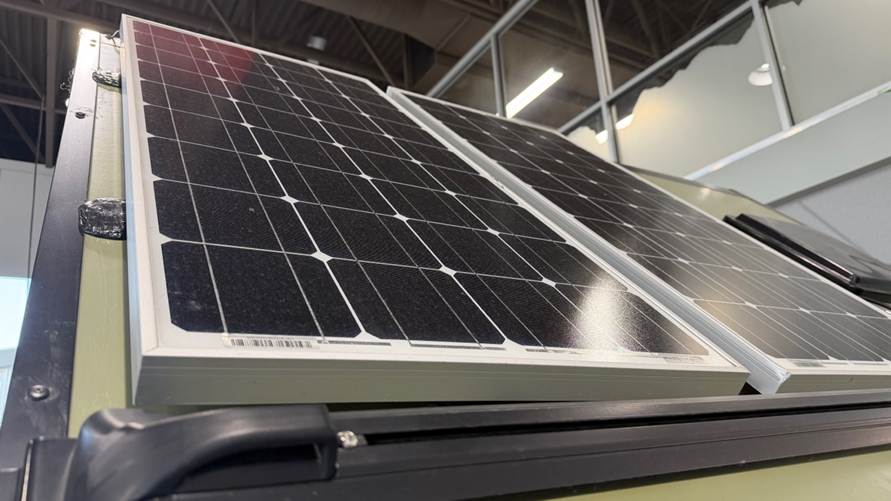
Whether you’re planning weekend getaways or extended off-grid adventures, adding solar panels to your RV is one of the best upgrades you can make. Solar power helps keep your batteries charged, extends your time off-grid, and provides the freedom to camp without relying on campground hookups.
In this guide, we’ll explain how RV solar panels work, how much solar power you need, what to look for before installing a solar system, and what to expect when upgrading your existing setup.
Watch our full solar installation video here!
Why Install Solar Panels on Your RV?
Solar power has become increasingly popular among RV owners, especially as more manufacturers transition from propane refrigerators to 12-volt electric refrigerators. Unlike traditional gas fridges, these refrigerators rely on your battery bank, making it more important than ever to keep your batteries charged while camping.
Installing solar panels allows you to continuously replenish your batteries throughout the day, helping power essential systems like:
- 12V refrigerators
- Interior lighting
- Water pumps
- Ventilation fans
- USB charging ports
- Electronics
For RVers who enjoy boondocking or dry camping, solar can significantly reduce the need to run a generator.
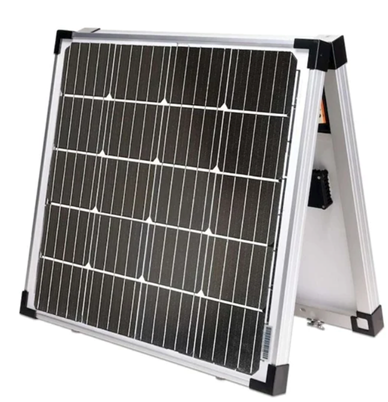
How Do RV Solar Panels Work?
An RV solar system captures sunlight through rooftop solar panels and converts it into electricity to recharge your battery bank.
A typical RV solar setup consists of four main components:
- Solar panels
- A charge controller (also called a solar regulator)
- Batteries
- Optional inverter for running household appliances
The solar panels collect energy from the sun, while the charge controller safely regulates the electricity flowing into your batteries. Once stored, that energy can be used to power your RV’s 12-volt systems or, with an inverter, certain 120-volt appliances.
How Much Solar Do You Need?
The right solar setup depends entirely on how you camp.
200 Watts: Ideal for Campground Travelers
If you primarily travel from one serviced campground to another and simply want to keep your batteries topped up while driving or during short stops, a 200-watt solar panel is often all you need.
This setup provides enough supplemental charging for light electrical use between hookups.
400 Watts: Great for Dry Camping
If you regularly camp without hookups, especially with a 12-volt refrigerator, a 400-watt solar system is generally recommended.
This additional capacity helps keep your batteries charged throughout the day while powering your essential RV systems.
Of course, larger battery banks and higher electrical usage may require even more solar capacity depending on your camping style.
Is Your RV Already Pre-Wired for Solar?
The good news is that many newer RVs are already solar-ready.
Manufacturers often install a solar cable entry plate on the roof, allowing solar panels to connect directly to pre-installed wiring without having to route new cables through the roof.
If your RV is pre-wired, installing your first solar panel—or upgrading with additional panels—is often much simpler than many owners expect.
Even if your RV doesn’t already have solar panels installed, it may already have the wiring needed for future upgrades.
Need guidance? Our service and parts experts are ready to help ensure that you have the right hookups and are prepped for solar.
Before Adding More Solar Panels
Adding a second or third solar panel isn’t always as simple as plugging it in.
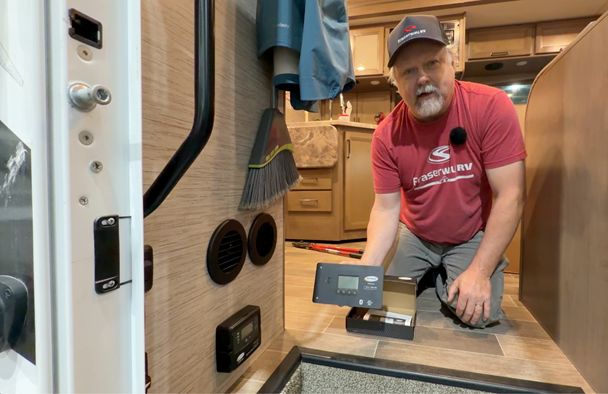
One of the most important components to check is your charge controller.
Understanding Your Solar Charge Controller
Your charge controller regulates how much electricity flows from your solar panels into your batteries.
Every controller has a maximum capacity based on amperage.
For example:
- A 10-amp controller may only support a single 200-watt panel.
- A 30-amp controller can typically support multiple panels, allowing your solar system to grow as your camping needs change.
Before purchasing additional panels, make sure your existing controller is properly sized for the amount of solar power you plan to install.
How RV Solar Panels Are Installed
Installing rooftop solar panels involves more than simply attaching them to the roof.
Each panel is securely mounted using heavy-duty brackets designed specifically for RV use.
The mounting process typically includes:
- Attaching mounting brackets to the panel frame
- Securing the panel to the roof
- Applying RV-approved self-leveling sealant around every mounting point
- Connecting the panel to the existing solar wiring
- Managing cables to prevent movement while traveling
Proper sealing is especially important, as it helps prevent water intrusion and protects your RV roof for years to come.
Installing solar can be confusing, but our service team is here to help with your installations or upgrades.
Expanding Your Existing Solar System
Already have one solar panel?
Upgrading is often easier than starting from scratch.
Most systems use specialized Y-connectors that allow multiple panels to share the same wiring connection through the existing roof entry plate.
If additional distance is required between panels, extension cables are available in various lengths to ensure a clean and reliable installation.
As your solar system grows, remember that your charge controller may also need to be upgraded to safely handle the additional power.
Professional Installation vs. DIY
Many solar-ready RVs make installation relatively straightforward, but there are still several important considerations.
A professional installation ensures:
- Proper panel placement for maximum sunlight
- Secure mounting
- Correct wiring
- Appropriate charge controller sizing
- Leak-free roof sealing
- Safe electrical connections
For RV owners who aren’t comfortable working on the roof or electrical system, professional installation provides peace of mind and helps protect both your investment and your warranty.
Getting the Most From Your RV Solar System
Solar panels work best when they’re exposed to direct sunlight, but a few simple habits can improve overall performance.
Park for Maximum Sun Exposure
Whenever possible, position your RV so the solar panels receive the most direct sunlight throughout the day.
Keep Panels Clean
Dust, dirt, leaves, and pollen can reduce charging efficiency. Cleaning your panels regularly helps maximize power production.
Monitor Your Battery Levels
Many modern charge controllers provide battery monitoring, allowing you to see how much energy your panels are producing and how much power your batteries are storing.
Match Your Power Usage to Your System
Solar helps replenish your batteries, but every RV has limits. Understanding your daily electrical usage will help you determine whether your current setup meets your camping needs or if it’s time to expand.
Is RV Solar Worth It?
For many RV owners, the answer is a resounding “yes!”
Solar provides greater camping flexibility, reduces generator run time, keeps batteries healthier, and allows you to enjoy quieter, more remote campsites without sacrificing essential comforts.
Whether you’re adding your first panel or expanding an existing solar system, investing in the right setup can completely transform the way you camp.
Ready to Upgrade Your RV Solar System?
Whether you’re looking to install your first solar panel, upgrade to a larger solar array, or replace your existing charge controller, the Fraserway RV Parts and Service teams can help.
Our experts can recommend the right combination of solar panels, batteries, charge controllers, and accessories based on your RV and camping style, ensuring you have the power you need wherever your adventures take you.
The Fraserway parts and services teams can guide you to make sure you have the right set up for your needs, and can
Frequently Asked Questions About RV Solar Panels
Can I add solar panels to an RV that doesn’t already have them?
Yes. While many newer RVs come pre-wired for solar, solar panels can also be installed on older RVs with the appropriate wiring and components.
How many solar panels do I need for my RV?
It depends on your power usage. Around 200 watts is often enough for occasional travelers using serviced campsites, while 400 watts or more is recommended for RVers who frequently dry camp with a 12-volt refrigerator.
Do I need to upgrade my charge controller?
If you’re adding more solar capacity than your existing controller is designed to handle, upgrading to a higher-capacity charge controller is recommended.
Can RV solar panels charge my batteries while I camp?
Yes. Solar panels continuously recharge your batteries during daylight hours, helping power your RV’s 12-volt systems and extending your time off-grid.
