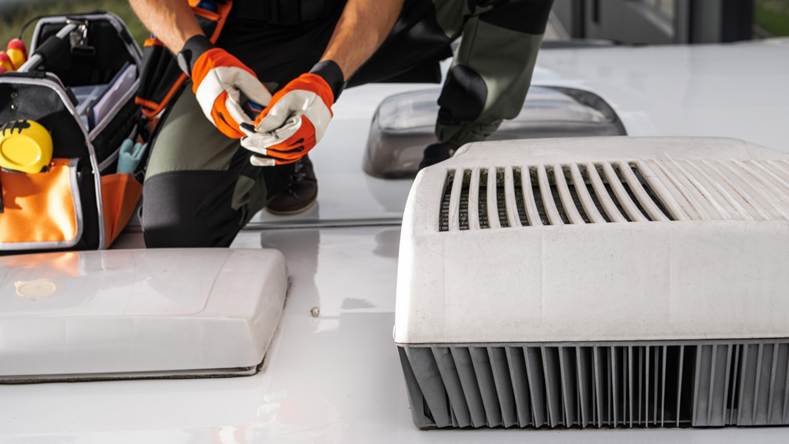
Nothing can put a damper on a camping trip faster than an RV that’s too hot to enjoy. Whether you’re relaxing at the campground or boondocking off-grid, understanding how your RV’s air conditioner and ventilation system work can help you stay comfortable while making the most of your available power.
In this guide, we’ll explain how RV air conditioners operate, when to use roof fans instead, tips for improving cooling efficiency, and how a soft start kit can help you run your RV air conditioner from a generator or inverter.
How Do RV Air Conditioners Work?
Unlike residential HVAC systems, RV air conditioners are self-contained units typically mounted on the roof of your RV. They cool the interior by pulling warm air through a filter, removing the heat, and circulating cool air back into your living space.
Most RV air conditioners operate using 120-volt AC power, meaning they require:
- Shore power at a campground
- An onboard or portable generator
- A properly sized inverter and battery system
Because air conditioners are one of the largest power draws in an RV, they generally cannot run from your batteries alone unless your RV is equipped with a substantial lithium battery bank and inverter setup.
Roof Fans vs. RV Air Conditioners
Both roof fans and air conditioners help keep your RV comfortable, but they serve different purposes.
RV Roof Fans
Roof-mounted ventilation fans improve airflow by exhausting hot air from inside the RV while pulling cooler outside air through open windows.
They’re ideal for:
- Mild weather
- Cooking ventilation
- Removing humidity
- Overnight airflow
- Conserving battery power while boondocking
Since most roof fans operate on your 12-volt DC system, they’re much more energy-efficient than running an air conditioner.
Pros of RV Fans
- Very low power consumption
- Great for off-grid camping
- Helps reduce moisture and condensation
- Quiet operation
- Extends battery life
Cons of RV Fans
- Won’t actively cool the air
- Less effective during extremely hot weather
- Depends on outside temperatures
RV Air Conditioners
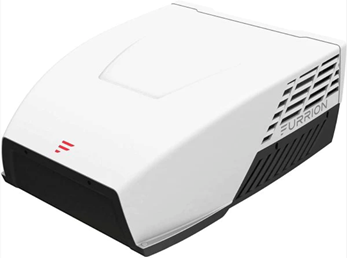
When temperatures climb, nothing beats the cooling power of an RV air conditioner.
Air conditioners actively remove heat from inside the RV, making them essential during hot summer camping trips.
Pros of RV Air Conditioning
- Quickly cools the RV interior
- Comfortable during extreme heat
- Helps reduce humidity
- Ideal for families, pets, and longer stays
Cons of RV Air Conditioning
- High electrical demand
- Requires shore power, generator, or large inverter system
- Louder than roof fans
- Can significantly increase power consumption
Air Conditioner or Roof Fan: Which Should You Use?
The answer often depends on the weather.
If the temperature outside is pleasant, opening your windows and running your roof fan may provide all the airflow you need while using very little power.
On especially hot days, your air conditioner is the better option for maintaining a comfortable indoor temperature.
Many experienced RVers actually use both together. Running a roof fan during cooler mornings or evenings helps remove trapped heat, allowing your air conditioner to work less when temperatures begin to rise.
Tips for Running Your RV Air Conditioner More Efficiently
Keeping your RV cool doesn’t have to mean using more electricity than necessary. A few simple habits can improve cooling performance while reducing energy consumption.
Park in the Shade
Whenever possible, choose a campsite with natural shade. Keeping direct sunlight off your RV reduces heat buildup and allows your air conditioner to cool more efficiently.
Keep Windows and Doors Closed
Every time warm outdoor air enters the RV, your air conditioner has to work harder. Keeping doors, windows, and roof vents closed while the AC is running helps maintain a consistent interior temperature.
Use Reflective Window Covers
Reflective sunshades or insulated window coverings can dramatically reduce the amount of heat entering your RV through large windows and windshields.
Clean Your Air Conditioner Filters
Dirty filters restrict airflow, making your air conditioner work harder while reducing cooling performance. Regular cleaning helps improve efficiency and extend the life of the unit.
Cool Your RV Early
Instead of waiting until the interior becomes extremely hot, turn on your air conditioner earlier in the day to maintain a comfortable temperature with less effort.
Use Roof Fans Strategically
Before turning on your air conditioner, use your roof fan to exhaust hot air that has collected inside the RV. This can help your AC cool the space more quickly once it’s running.
What Is an RV Soft Start Kit?
If you’ve ever wanted to run your RV air conditioner from a generator or an inverter-powered battery system, a soft start kit can make a significant difference.
When an air conditioner first starts, its compressor creates a large surge of electrical current. This brief spike in power demand can trip a generator breaker or overload an inverter system, even if the system can handle the air conditioner once it’s running.
A soft start kit helps solve this problem by reducing the startup surge and allowing the compressor to start more gradually.
Benefits of a Soft Start Kit
Installing a soft start kit can:
- Reduce the startup power required by your air conditioner
- Make it easier to run your AC from a generator
- Improve compatibility with inverter and lithium battery systems
- Reduce stress on your RV’s electrical components
- Create a smoother, more reliable startup for the air conditioner
For RV owners who enjoy boondocking or are upgrading to solar and inverter systems, a soft start kit is one of the most valuable electrical upgrades available. Please contact your local Fraserway RV Adventure Store to find the right fit, and to discuss installation bundles.
Can You Run an RV Air Conditioner on Solar?
The answer depends on your setup.
A traditional RV battery system typically doesn’t provide enough power to operate an air conditioner for very long. However, many modern RVs equipped with:
- Lithium batteries
- Large inverter systems
- High-capacity solar panels
- A soft start kit
If off-grid air conditioning is one of your camping goals, we recommend speaking to the Fraserway RV service department to determine the right combination of batteries, solar, inverter capacity, and cooling equipment for your needs.
Stay Cool Wherever Your Adventures Take You
Whether you’re camping at a full-service campground or enjoying the freedom of off-grid adventures, understanding how your RV’s cooling and ventilation systems work will help you stay comfortable while making the most of your available power.
Using roof fans when possible, practicing energy-efficient cooling habits, and upgrading with accessories like a soft start kit can improve comfort, extend battery life, and help you get even more from your RV electrical system.
If you’re considering upgrading your RV with a soft start kit, roof fan, inverter, or air conditioning accessories, the Fraserway RV Parts and Service team can help you find the right solution for your RV and even assist with professional installation.
