If RV electrical systems feel confusing, you’re not alone. Between shore power, batteries, generators, converters, inverters, and solar setups, there’s a lot to understand when you first start RVing.
The good news? Most RV electrical systems are built around just three main components:
- 120V AC power
- 12V DC power
- Your RV battery bank
Once you understand how these systems work together, troubleshooting, upgrading, and camping off-grid becomes much easier.
In this guide, we’ll break down the basics of RV electrical systems, explain the difference between converters and inverters, cover 30-amp vs 50-amp RV service, discuss the importance of surge protectors, and explore how solar power fits into modern RV camping.
You can also watch the full video here: Fraserway RV YouTube Video – RV Electrical Systems Explained
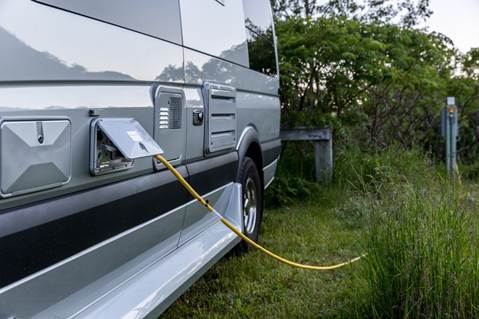
Understanding RV Electrical Systems
Every RV uses a combination of AC power and DC power to operate different appliances and systems throughout the unit.
Think of your RV electrical setup as two separate systems working together:
- 120-volt AC power runs larger household-style appliances
- 12-volt DC power runs essential RV systems and accessories
Your batteries connect these systems together and provide power when you’re camping off-grid or boondocking.
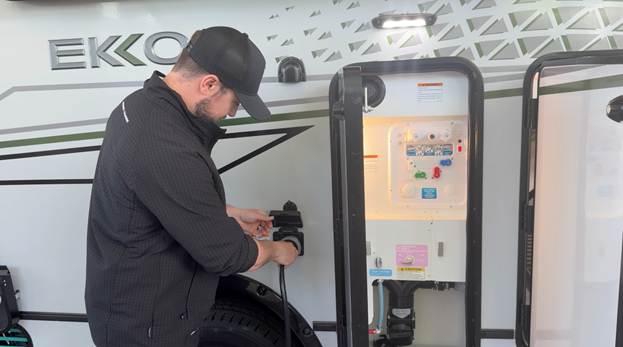
What is 120V AC Power in an RV?
120V AC (alternating current) power is the same type of electricity used in a traditional home.
In an RV, AC power typically runs:
- Air conditioners
- Microwaves
- Residential refrigerators
- TVs
- Wall outlets
- Larger kitchen appliances
Your RV usually receives AC power from:
- Shore power at a campground
- An onboard generator
- A portable generator
- An inverter system
What is RV Shore Power?
Shore power is the electrical connection between your RV and a campground power pedestal.
When plugged into shore power, your RV can operate high-demand appliances while also charging your battery system through the converter.
For many RV owners, shore power is the primary source of electricity during camping trips.
What Does the 12V DC System Power?
Your RV’s 12V DC (direct current) system powers many of the essential daily functions inside your RV.
This includes:
- Interior and exterior lights
- Water pump
- Furnace
- USB charging ports
- Vent fans
- Control panels
- Some refrigerators
Unlike the AC system, your 12V system can continue operating even when you are unplugged — as long as your batteries still have power.
Battery Disconnect Switches
Most RVs include a battery disconnect switch that allows you to control power draw from the battery bank.
When turned on, the disconnect switch allows your batteries to power your RV’s 12V systems. This is especially important during storage, boondocking, or troubleshooting electrical issues.
The location of this switch varies by RV model and manufacturer.
RV Batteries Explained
Your batteries are the heart of your RV electrical system.
They store energy for use when you are not connected to shore power and help support off-grid camping.
Common RV battery types include:
- Lithium batteries
- AGM batteries
- Lead-acid batteries
Lithium RV Batteries
Lithium batteries have become increasingly popular because they:
- Charge faster
- Last longer
- Provide more usable power
- Perform better for solar and boondocking setups
Many modern RV solar systems are designed around lithium battery banks for improved off-grid capability.
RV Converter vs Inverter: What’s the Difference?
One of the most common questions RV owners ask is:
What is the difference between a converter and an inverter?
Although the names sound similar, they do completely different jobs.
RV Converter
Your RV converter:
- Takes 120V shore power
- Converts it into 12V power
- Charges your RV batteries
- Powers your RV’s DC systems while plugged in
In simple terms, the converter feeds power into your battery system.
RV Inverter
An RV inverter does the opposite.
It:
- Takes battery power (12V DC)
- Converts it into household-style 120V AC power
This allows you to use certain residential appliances while camping off-grid.
Depending on the inverter size and battery bank capacity, you may be able to power:
- Microwaves
- TVs
- Coffee makers
- Residential refrigerators
Some larger solar and lithium setups can even run RV air conditioners for limited periods.
30-Amp vs 50-Amp RV Service
Not all RVs use the same electrical service- don’t risk using the wrong one for your RV.
30-Amp RV Service
30-amp service is common on:
- Smaller travel trailers
- Compact motorhomes
- RVs with one air conditioner
These systems provide enough power for basic RV appliances and systems.
50-Amp RV Service
50-amp service is typically found on:
- Large fifth wheels
- Luxury motorhomes
- Class A RVs
- RVs with multiple air conditioners
A 50-amp RV can run significantly more appliances at the same time due to its larger electrical capacity.
Understanding whether your RV uses 30-amp or 50-amp service is important when purchasing:
- Surge protectors
- Extension cords
- Adapters
- Electrical accessories
Using RV Power Adapters Safely
When using a 30-amp to 15-amp adapter, it’s important to remember that the adapter only changes the plug connection—it does not increase the power available from the outlet. While plugging your RV into a standard household outlet can be convenient for charging batteries or running basic systems, high-demand appliances like air conditioners, microwaves, or electric heaters can quickly exceed the outlet’s capacity and trip the breaker. To avoid interruptions, monitor your power usage carefully and limit the number of high-draw appliances operating at the same time when connected to a 15-amp household circuit.
RV Generators for Boondocking
Generators are essential for many off-grid RV setups.
If you’re camping without hookups, a generator can:
- Power your RV appliances
- Recharge your batteries
- Support air conditioning use
- Extend boondocking capabilities
While solar helps maintain battery charge during the day, generators are often the fastest and most reliable way to recharge depleted battery banks.
RV Solar Power Systems Explained
Solar power has become one of the most popular RV upgrades for off-grid camping.
A typical RV solar system includes:
- Solar panels
- A charge controller
- Batteries
- Optional inverter support
How RV Solar Works
Solar panels collect energy from the sun and send it through a charge controller to safely recharge your batteries.
Solar is excellent for powering:
- Lights
- Electronics
- USB charging
- Vent fans
- 12V refrigerators
Larger solar and lithium battery setups can support more demanding appliances when paired with a powerful inverter system.
Why RV Surge Protectors Matter
A surge protector is one of the most important RV electrical accessories you can own.
RV surge protectors help protect your RV from:
- Power surges
- Faulty campground wiring
- Voltage fluctuations
- Electrical damage
If a problem occurs at the campground pedestal, the surge protector acts as the first line of defense before the issue can damage your RV electrical system.
Always make sure you purchase the correct surge protector for your RV:
- 30-amp surge protectors for 30-amp RVs
- 50-amp surge protectors for 50-amp RVs
RV Electrical Systems Don’t Have to Be Intimidating
Once you understand the basics, RV electrical systems become much easier to manage.
Here’s a quick recap:
- Batteries store energy
- Converters charge your batteries
- Inverters provide household-style power off-grid
- 120V AC powers major appliances
- 12V DC powers essential RV systems
- Solar helps maintain battery charge while camping
Whether you’re upgrading your RV solar setup, learning about boondocking, or simply trying to understand your RV better, having a solid understanding of your electrical system can make every camping trip smoother and more enjoyable.
For help choosing generators, solar systems, surge protectors, lithium batteries, or other RV electrical upgrades, visit your local Fraserway RV or connect with your local parts and service teams.
About Us
Fraserway RV is proud to be Canada’s only national RV dealer group, with 13 locations stretching from British Columbia to Nova Scotia. From routine maintenance to major repairs, our knowledgeable teams specialize in everything RV including sales, service, parts, accessories, and rentals. We help you stay road‑ready and confident wherever your travels take you.
Family‑owned and proudly Canadian since 1969, Fraserway RV is built on decades of experience and a genuine love for the RV lifestyle. Our certified technicians and dedicated service teams are here to support RV owners across the country. Whether you travel in a motorhome, travel trailer, campervan, or truck camper, you can count on our Fraserway to help keep your RV in top shape—so you can continue exploring and adventuring – your way!
